

Search

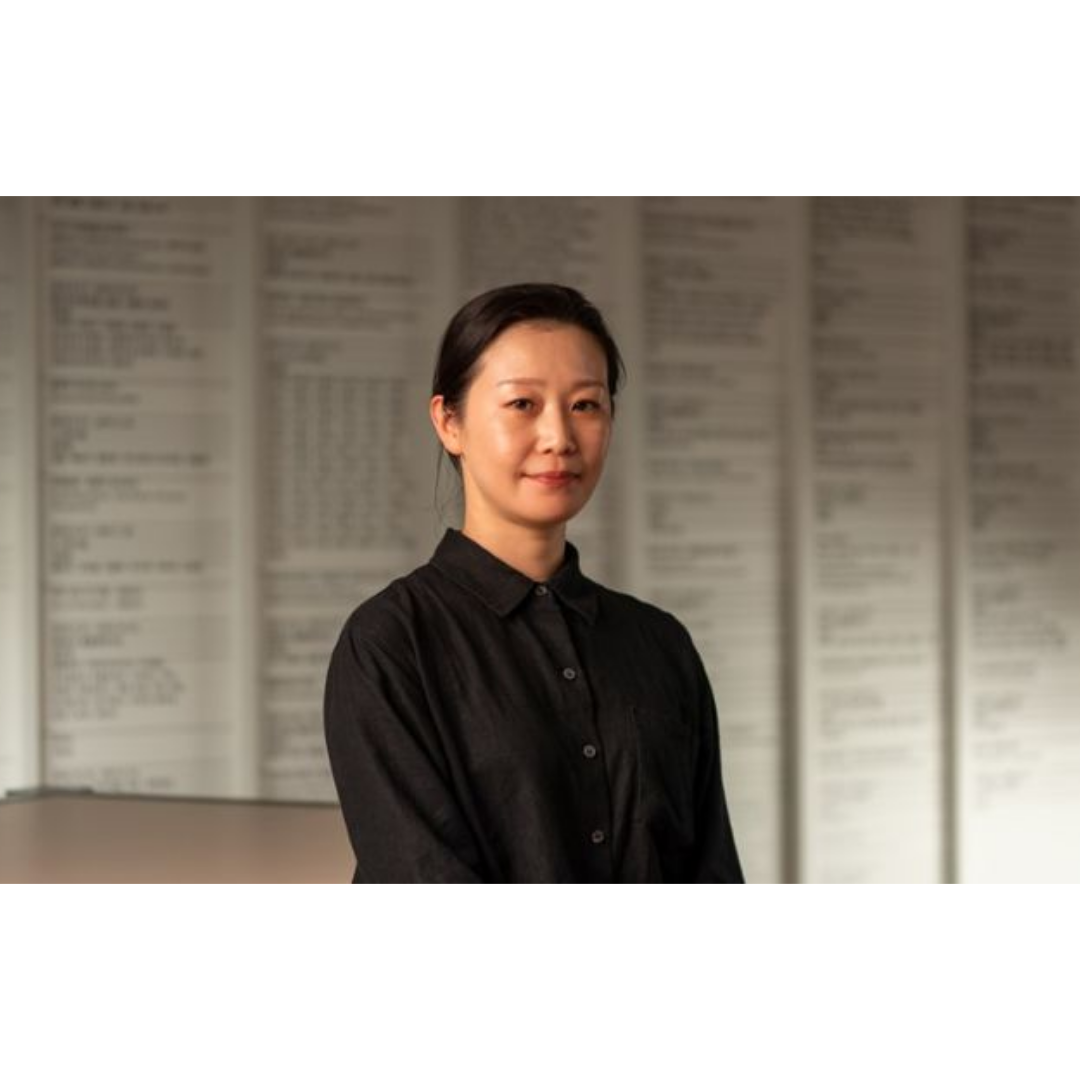
Kim
Young-eun Wins the 2025 Korea Artist Prize by MMCA
Visual
artist Kim Young-eun, an alumna of the School of Visual Arts, was named the
recipient of the 2025 Korea Artist Prize, co-hosted by the National Museum of
Modern and Contemporary Art (MMCA) and the SBS Foundation.
Established
in 2012, the Korea Artist Prize is one of South Korea’s leading contemporary
art sponsorship programs, jointly run by the MMCA and the SBS Foundation. The
prize provides financial and institutional support to emerging and mid-career
artists. Each year, four selected artists develop new works and present them
through exhibitions and international projects.
Kim
explores sound and hearing as deeply political and social constructs. Through
multidisciplinary projects grounded in sound ethnography, she investigates how
modes of listening are shaped and reinforced within historical and cultural
contexts. By capturing layers of sound across temporal and spatial dimensions,
Kim reveals often-unnoticed relations embedded in everyday landscapes.
Her
latest works, Listening Guests (2025) and Go Back To Your (2025),
trace the life journeys of individuals who form communities through migration
and translation within diasporic contexts. The jury commended Kim’s skillful
use of sound as a conceptual and political medium to explore themes of identity,
migration, and marginalization.
The
2025 Korea Artist Prize selection process took place over three days:
exhibition walkthroughs with the artists and jury on January 12, a public panel
discussion on January 13, and a private review session on January 14.
This
year’s jury included Emily Pethick (former Director, Rijksakademie of Fine Arts,
Netherlands), Gridthiya Gaweewong (Curator and Artistic Director, Jim Thompson
Art Center, Thailand), Jordan Carter (Co-Department Head and Curator, Dia Art
Foundation, US), Ahn Soyeon (Artistic Director, Atelier Hermès), Kim Jang-eon
(Independent Curator), and Kim Sung-hee (Director, MMCA).
In
their final statement, the committee praised Kim for employing sound not merely
as a sensory experience, but as a critical lens through which to examine social
and political conditions.